The Compose Language
Compose is a concatenative, stack-based programming language. Programs in Compose are built by writing sequenced functions that modify the stack. Compose is functional programming inspired and makes use of functions as data. In concatenative languages, the flow of data is entirely determined by the stack. Each function operates on the stack: it takes some number of values from the top, performs a computation, and pushes results back onto the stack. Calling two functions side by side means “apply the first function, then the second, passing along the stack as the argument.”
For example, in a simple concatenative style:
2 3 +
This pushes 2 and 3 onto the stack, then applies the + function, adding the two numbers and leaving 5 on the stack.
Compose follows this model with a minimal set of primitives, allowing programs to be constructed by composing small, reusable functions. Its design emphasizes consistent stack behavior and predictable composition, keeping the core language simple and easily comprehensible.
Features
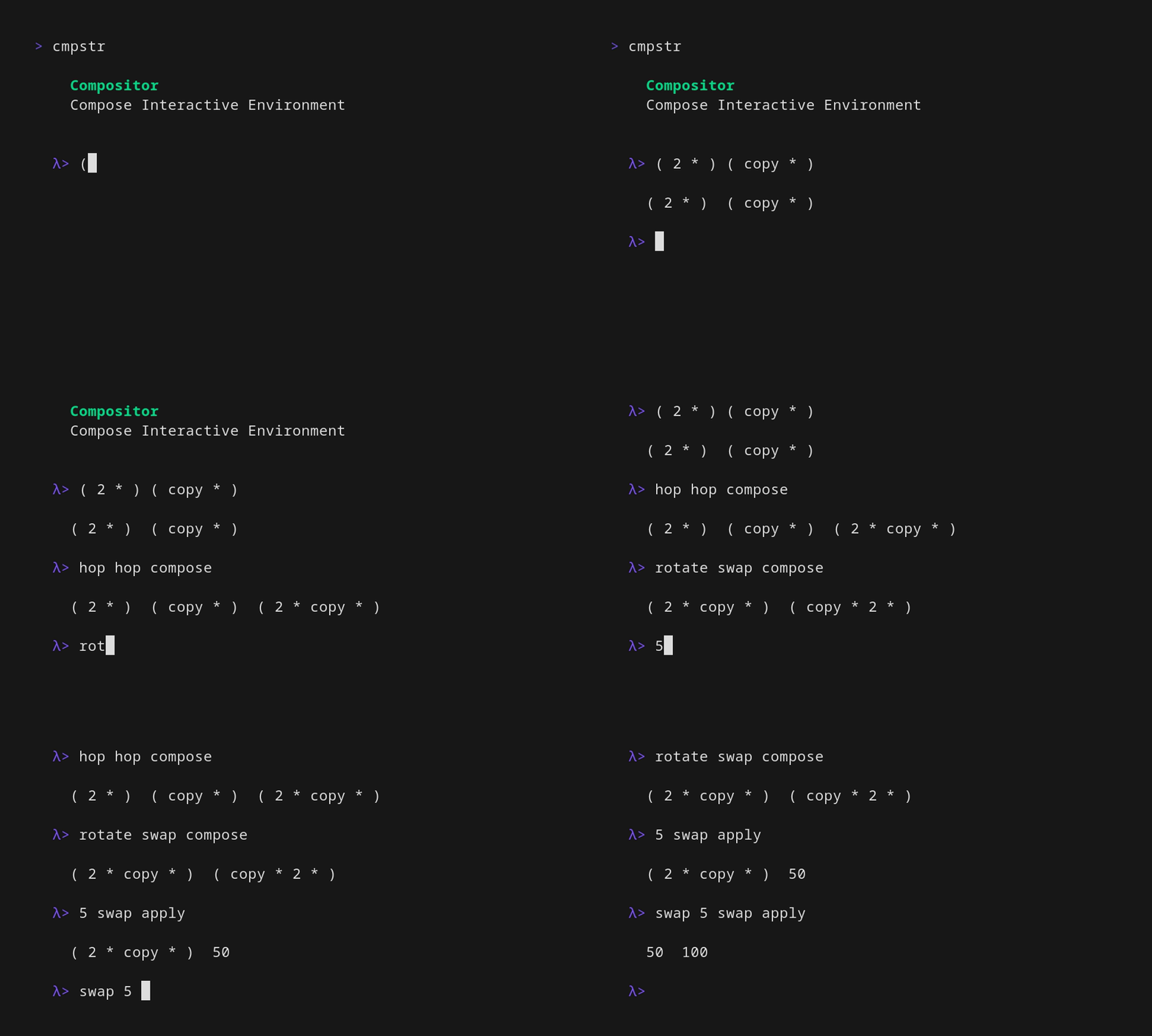
Lambda Composition
Compose allows functions to be stored as data on the stack as lambdas, and these lambdas can be composed into more complex functions. They can be manipulated like other stack data, and passed around as arguments for other functions.
List Processing
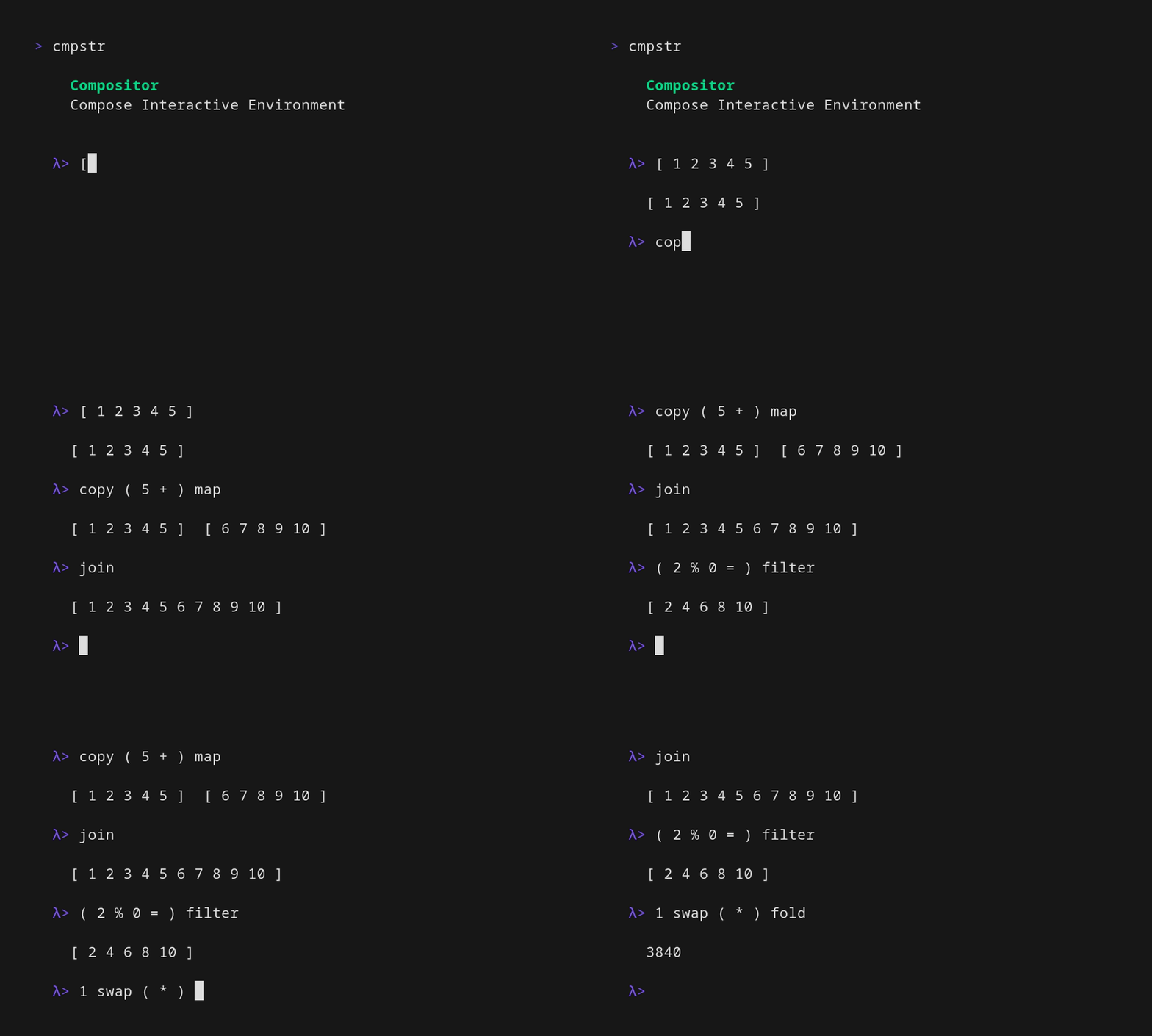
Compose provides the map, filter, and fold functions for processing lists. Lists can store an unlimited number of items, and do not require that their elements be the same type.
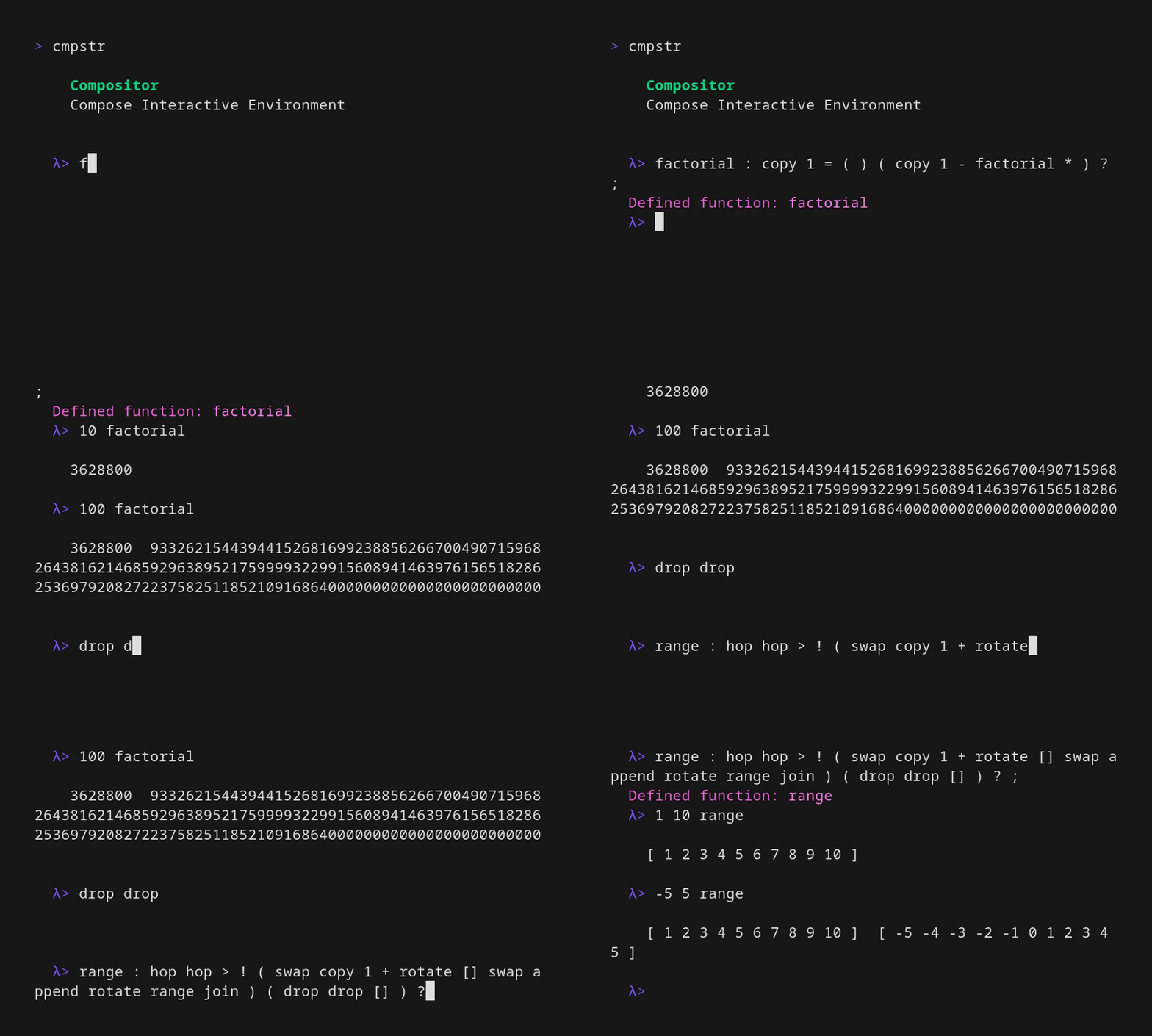
Recursive Functions
Compose allows the definition of recursive functions. Currently it only supports recursion of named functions, but recursion from within lambdas is a planned feature.